

 See My Latest Article on HelloNation
Why Is Documenting Your Insurance Claim So Vital?
Solid documentation can make or break an insurance claim. For area residents, well-organized records help communicate the scope of losses accurately and protect against disputes—especially in cases involving bad faith actions by insurers. Clear records often lead to faster resolutions and lessen the risk of denied or underpaid claims.
What Should Be Documented After a Loss?
Collect as much detail as possible about the incident and related property or personal losses. Accurate records are especially important during rainy winters, after local kitchen fires, car break-ins near public transit, or plumbing failures common in denser housing.
Examples of documentation include:
- Photos and video of damage, shown from multiple perspectives
- Descriptions of affected items, including model, age, and purchase details
- Any temporary repairs made to prevent further harm (keep receipts)
- A written timeline of events leading up to and after the incident
How Can Photos and Video Protect Your Rights?
Photos and videos provide undeniable evidence of your losses’ extent. They are difficult for insurers to dispute and support your version of events. After a roof leak or theft, take plenty of images—from close-up to wide shots—showing context. Don’t forget less obvious items, like personal belongings on shelves or in drawers, which are easy to overlook when stressed.
Photographing undamaged property, either regularly or after upgrades, is also wise; it establishes their condition should you need to compare later.
What Paperwork Should Be Collected and Organized?
Hold onto all correspondence related to your claim:
- Claim forms, policy documents, and coverage summaries
- All notes or written communication from insurers (letters, emails, SMS)
- Receipts for expenses related to temporary lodging, repairs, or security measures
- Police or fire reports (for theft, vandalism, or fire losses)
- Estimates or assessments done by damage specialists or repair services
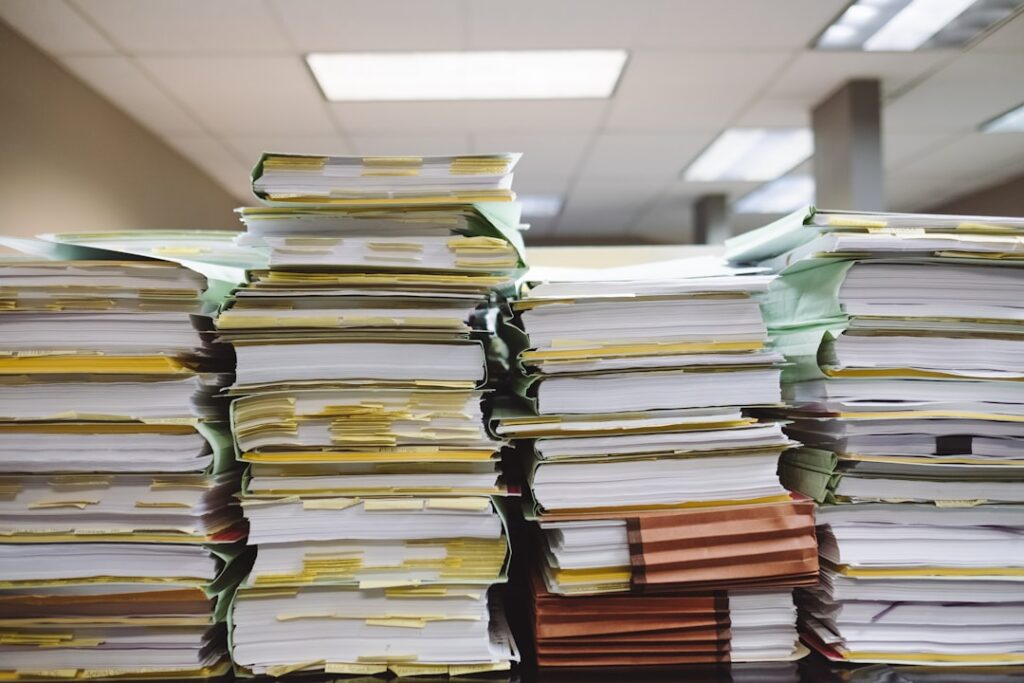
Store documents together in a folder or use digital copies saved with clear naming conventions. This makes retrieval easy if questions or disputes arise.
How Detailed Should Your Written Account Be?
Write a factual, direct account of what happened. Include:
- Date and time of the incident and when you discovered it
- Who was present or involved
- Steps taken immediately afterward (calls to public safety, temporary repairs, etc.)
- Any conversations with insurance representatives—jot down names, dates, and main points
Being thorough helps clarify your memory and provides a timeline that cannot be easily challenged. Residents sometimes forget small but crucial details if they wait too long to record events.

Are There Common Missteps or Overlooked Details?
Several common issues reduce the strength of a claim:
- Not photographing areas before starting cleanup or removing debris
- Forgetting to document temporary repair costs or receipts for items like tarps and locks
- Underestimating the value of personal property not attached to the home
- Misplacing small receipts for emergency purchases (food, shelter, transportation)
Many South San Francisco households face loss in multi-unit buildings. If so, document any neighbor communications, shared facility impacts, or building management responses; this may be relevant for claims involving shared infrastructure.
How Does Local Weather or Home Type Affect Documentation Needs?
Rainy seasons, especially from late fall to early spring, often bring leaks and water damage in older or hillside properties. Document not only the affected area but also any visible signs of mold, ongoing leaks, or repeated past repairs—this context helps if insurers allege “pre-existing damage.”
For tenants, renters insurance claims require organizing landlord notifications and showing how your personal items were affected, separate from the structure.
What Should Be Reported to Authorities and Why Include It?
If there is theft, vandalism, or fire, report the incident to local authorities promptly. Submit a copy of their official reports with your claim. These reports often serve as validation for insurance purposes and help reduce delays or disputes.
How Long Should Documentation Be Kept?
It’s prudent to save all claim-related records for at least several years—longer if the claim involves significant property, injury, or ongoing negotiation. In some cases, disputes or legal reviews can arise well after the initial claim’s settlement.
What If the Insurance Company Delays or Challenges Your Claim?
If you experience delays that don’t make sense, repeated requests for the same information, or find evidence your insurer isn’t honoring their obligations, comprehensive records become essential support should you need to contest a bad faith claim. Keep a separate log of every communication, including unanswered calls or emails, and store any requests from the insurer.
Why Is Proactive Planning Useful for South San Francisco Residents?
Documenting property, vehicles, and valuable possessions before any loss occurs eases future claims. Save digital home inventories, update photos after property upgrades, and back up documentation offsite or in cloud storage—especially given the risk of fire, water, or theft losses in local neighborhoods. These practices can safeguard your ability to prove losses quickly and accurately should a problem arise.