

 See My Latest Article on HelloNation
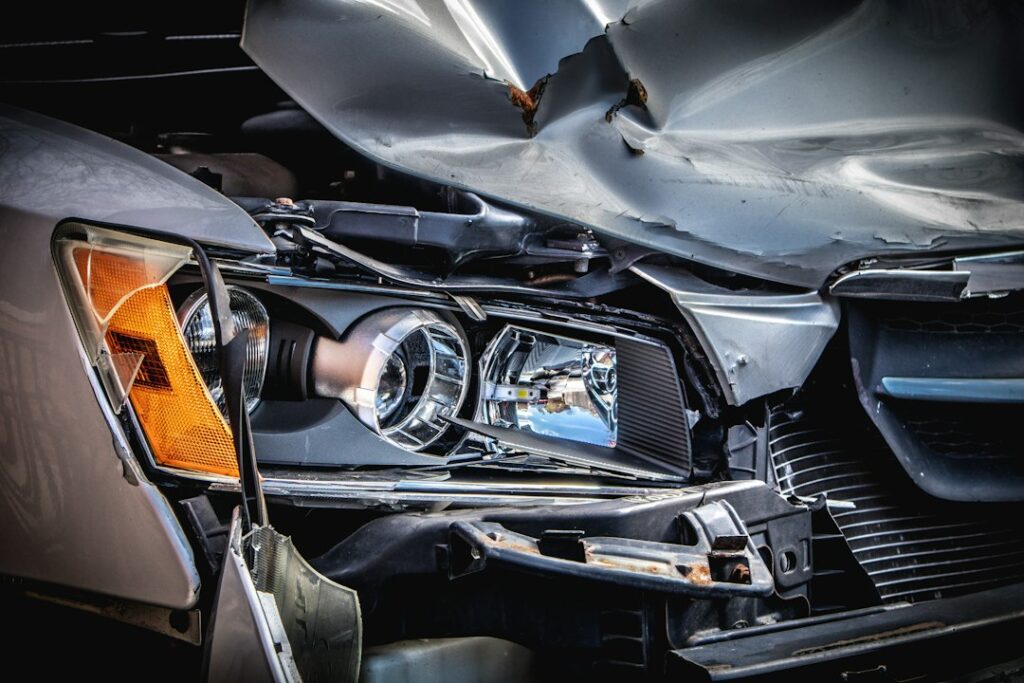
Auto insurance bad faith generally means an insurer handled a covered claim unreasonably or without a fair, thorough effort to honor the policy. A delayed payment alone does not automatically prove bad faith, but unexplained delays, inadequate investigations, unsupported denials, or pressure to accept an unfair settlement may raise serious concerns.
For drivers in South San Francisco, CA, understanding the difference between an ordinary claim disagreement and potentially unlawful claim handling can help preserve evidence and avoid missed deadlines.
What does auto insurance bad faith mean?
Bad faith is more than an insurer making a mistake or reaching a different valuation. The issue is whether the company acted unreasonably after considering the policy, available evidence, and the circumstances of the loss.
A typical dispute may involve:
- Whether the policy covers the accident
- Who was at fault
- The cost to repair a vehicle
- Whether a vehicle is a total loss
- The value of a comparable replacement vehicle
- The extent of medical expenses or injury-related losses
A disagreement does not automatically establish bad faith. The surrounding conduct matters, including whether the insurer explained its position, investigated relevant information, and responded within required timeframes.
California recognizes regulatory standards for claim handling under the Fair Claims Settlement Practices Regulations. These standards address claim acknowledgment, investigation, communications, decisions, settlement offers, and payment. ([insurance.ca.gov](https://www.insurance.ca.gov/01-consumers/105-type/95-guides/03-res/res-prop-claim.cfm?utm_source=openai))
What conduct may signal unfair claim handling?
Several patterns deserve careful documentation. None is automatically conclusive, but they can become significant when repeated or combined with other problems.
Examples include:
- Failing to acknowledge a claim or provide instructions for moving it forward
- Ignoring photographs, repair estimates, witness information, or medical records
- Repeatedly assigning new adjusters without explaining the change
- Delaying a decision while asking for information that has already been provided
- Denying a claim without identifying the policy language and facts supporting the decision
- Offering substantially less than the available evidence supports
- Misrepresenting coverage, deductibles, deadlines, or policy requirements
- Pressuring a policyholder to accept a settlement before the damage or injuries are understood
- Refusing to explain how a total-loss valuation was calculated
- Treating a claimant differently because the person requested an explanation or questioned the settlement
Seasonal conditions can complicate automobile claims in the area. Rain, standing water, reduced visibility, traffic congestion, and densely used streets may create disagreements about fault or the cause of damage. Those circumstances do not eliminate the insurer’s obligation to conduct a reasonable investigation.
How quickly must an insurer respond in California?
California regulations establish several claim-handling deadlines, although the precise application can depend on the type of claim and the information available.
The California Department of Insurance states that insurers generally must acknowledge a claim, begin an investigation, provide necessary forms and instructions, and offer reasonable assistance immediately, but no later than 15 days after receiving notice. Communications from a claimant generally must receive a response within 15 days. After receiving proof of claim, the insurer generally must accept or deny the claim immediately, but no later than 40 days. Once a settlement is reached, payment generally must be made immediately and no later than 30 days. ([insurance.ca.gov](https://www.insurance.ca.gov/01-consumers/105-type/95-guides/01-auto/hadaccident.cfm?utm_source=openai))
These are not permission slips for an insurer to delay until the deadline. A company may need additional time if it has a reasonable explanation and properly communicates what remains under investigation. Repeated silence or vague requests may be more concerning than a single delay caused by missing records or a complicated accident.
Is a low settlement offer automatically bad faith?
No. A low offer may result from different valuations, incomplete documentation, policy limits, deductible provisions, depreciation rules, or a genuine disagreement about repair costs.
For a total-loss claim, the Department of Insurance explains that the settlement should reflect the value of a comparable vehicle of like kind and quality. Taxes, license fees, and transfer fees may also be included in the settlement calculation when applicable. ([insurance.ca.gov](https://www.insurance.ca.gov/01-consumers/105-type/95-guides/01-auto/hadaccident.cfm?utm_source=openai))
A policyholder can ask for the valuation report, comparable vehicles used, condition adjustments, mileage adjustments, and any deductions. Important questions include:
- Were the comparison vehicles reasonably similar?
- Were the same vehicle options and equipment considered?
- Were local market conditions reflected?
- Were taxes and required fees included?
- Was salvage deducted using a fair and measurable method?

A disagreement becomes more serious if the insurer refuses to explain its calculations, ignores reliable contrary evidence, or changes its explanation without a reasonable basis.
What records should a driver preserve?
A well-organized file can clarify what happened and when. Keep copies of:
- The insurance policy, declarations page, and endorsements
- Claim numbers and adjuster contact information
- Emails, letters, text messages, and call notes
- Photographs and videos of vehicle damage and the accident scene
- Police or incident reports, if available
- Repair estimates, invoices, towing records, and rental-car expenses
- Medical records and bills related to accident injuries
- Witness names and statements
- Settlement offers and written explanations for denials
- A timeline showing each request, response, inspection, and payment
After a collision, photographs can be especially useful before repairs begin. In a dense community with limited parking and frequent vehicle use, it may also help to record where the vehicle was stored, whether it was drivable, and how long transportation costs continued.
What should a policyholder do after a denial or delay?
Start by reviewing the denial letter and the policy provision cited. Ask for a written explanation if the insurer has only provided a telephone decision. Respond in writing with the specific evidence that supports the claim and request a clear statement of what information is still needed.
It is usually better to remain factual and organized than to make broad accusations. A useful written record identifies:
1. The date of loss and claim number
2. The disputed issue
3. The documents already supplied
4. The action requested
5. A reasonable date for a response
Do not assume that continuing to negotiate extends a legal deadline. Insurance policies and California law may contain different limitation periods, and the applicable deadline can depend on the type of claim, the policy language, and the facts.
Can the California Department of Insurance help?
Yes. The California Department of Insurance accepts consumer complaints and requests for assistance involving insurers, agents, and brokers. The department can review concerns about claim handling and communicate with the insurer, although it does not act as a private lawyer or decide every disputed legal issue. ([insurance.ca.gov](https://www.insurance.ca.gov/01-consumers/105-type/95-guides/01-auto/AutoMediation.cfm?utm_source=openai))
The department’s automobile mediation program may help with certain physical-damage disputes involving comprehensive or collision coverage. However, the program specifically identifies allegations of bad faith and demands for extra-contractual payments as issues that are not eligible for mediation. A consumer generally must first complete the department’s complaint process before a qualifying dispute can be referred to mediation. ([insurance.ca.gov](https://www.insurance.ca.gov/01-consumers/105-type/95-guides/01-auto/AutoMediation.cfm?utm_source=openai))
When can a claim become a legal dispute?
A potential bad-faith case usually depends on more than an unpaid amount. It may involve the policy terms, the insurer’s investigation, the quality of the evidence, the reasonableness of the company’s position, and the financial harm caused by the delay or denial.
Because deadlines, damages, and available remedies vary, legal guidance may be necessary when a claim involves substantial property damage, serious injuries, a disputed coverage interpretation, lost income, or a possible lawsuit. Safety and medical needs should be addressed first, regardless of the insurance disagreement.
The central question is not simply whether the insurer paid less than expected. It is whether the company fairly evaluated the claim, communicated honestly, and gave the policyholder the benefits owed under the policy and applicable California rules.